
The global car industry has witnessed many surprising changes in recent years yet few stories feel as dramatic as the sudden shift in Honda EV strategy. For years the company spoke about a bold electric future filled with advanced technology smart design plus innovative engineering. Now the entire vision appears uncertain which has shocked many analysts across the automotive world.
For a brand as respected as Honda the decision to slow down or rethink major electric plans is not just another corporate change. It signals a deeper challenge facing the global transition toward electric mobility.
The Ambitious Vision Behind the Honda 0 Series
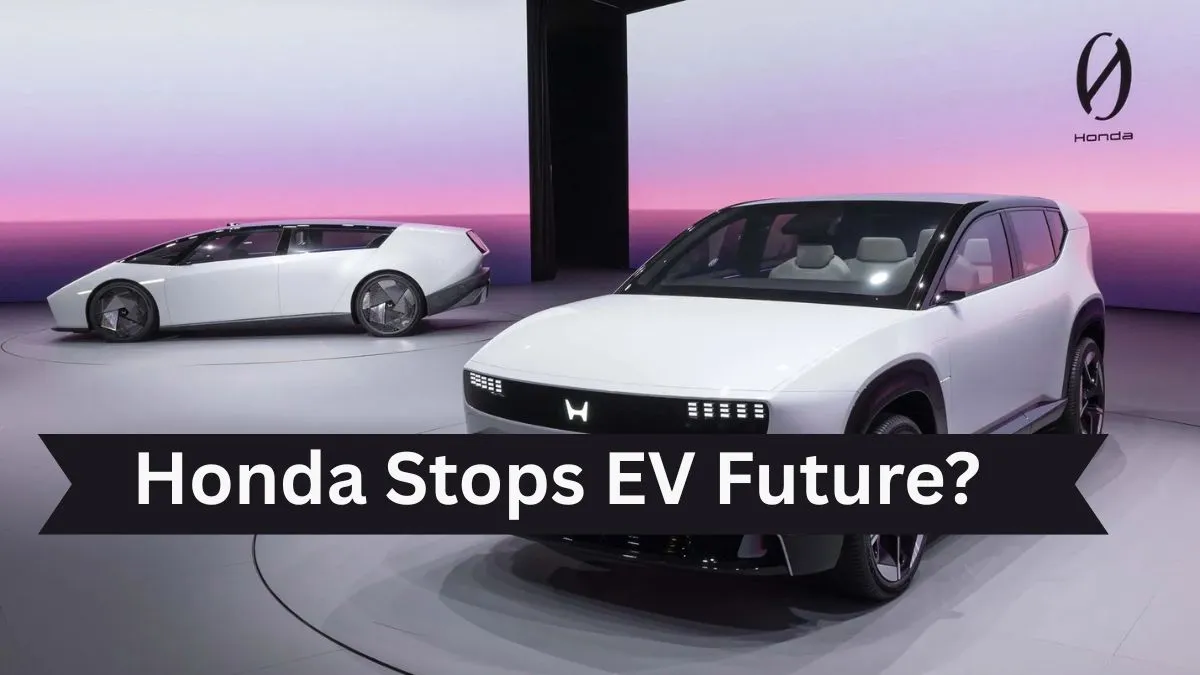
Not long ago Honda presented an ambitious project called the Honda 0 Series. This lineup of electric vehicles was supposed to represent a completely new philosophy of vehicle design.
Instead of building heavy electric cars with massive batteries engineers focused on a different idea. Their concept followed a guiding principle described as thin light wise. The aim was to create vehicles that were efficient practical plus technologically advanced without relying on oversized battery packs.
This project was meant to redefine how electric cars are engineered across the industry.
Innovative Engineering at the Heart of the Plan
The Honda 0 Series EV platform introduced many technical breakthroughs. Engineers designed slimmer battery packs that helped lower the overall height of the vehicle. This design also allowed more interior space while improving aerodynamics.
Honda also built special robotic manufacturing systems capable of producing thinner yet stronger battery cases. These metal structures required fewer components than traditional designs which reduced weight while maintaining strength.
Advanced electric motors were also developed for the platform. These motors reduced internal friction which improved efficiency plus added extra driving range without increasing battery size.
Factories Built for the Future of Electric Cars
To support the new electric vision Honda invested heavily in manufacturing. Massive new production facilities were built with specialized equipment designed specifically for the next generation of EV technology.
Workers were trained to operate new machines capable of creating complex parts with extreme precision. These factories represented billions of dollars in long term investment.
The scale of this operation showed how seriously Honda planned to compete in the electric vehicle market.
Expected Models From the Honda Electric Lineup
The Honda 0 Series was not meant to be a single car. The company planned a full family of vehicles built on the new architecture.
Early concepts included a sleek electric sedan along with a bold SUV design. Later versions were expected to include multiple crossovers plus a large three row family vehicle designed for global markets.
This broad lineup was intended to compete directly with new electric programs from major automakers around the world.
Challenges That Began to Appear
Despite the ambitious technology some concerns started appearing around the project. Early information suggested that the first models would deliver roughly three hundred miles of driving range.
While that number may sound reasonable many competitors already offer longer range vehicles with similar or smaller batteries. In a market where buyers carefully compare range numbers this difference raised questions about competitiveness.
Electric vehicles from brands such as Tesla already set high expectations for range performance which created additional pressure on Honda new platform.
Economic Pressure Facing the Global Auto Industry
The decision to rethink the Honda EV roadmap is also connected to larger economic pressures affecting the car industry.
Trade tensions rising tariffs plus changing government policies have created uncertainty for automakers worldwide. At the same time electric vehicle demand has grown more slowly in some markets than expected.
These factors make large investments in new technology far riskier for companies trying to balance profits plus long term innovation.
Billions Invested in a Risky Electric Future
Reports suggest that Honda had already committed enormous resources to the project. Development costs manufacturing investments plus research spending added up to an estimated multi billion dollar effort.
Walking away from such a massive investment would be extremely difficult for any company. Yet continuing a program that might struggle in the market could be an even greater financial risk.
This dilemma shows how challenging the transition toward electric mobility has become for traditional car manufacturers.
What This Means for the Future of Honda
The situation surrounding the Honda EV strategy raises an important question about the future direction of the company. Honda remains one of the most respected brands in the global automotive industry with decades of engineering excellence.
However the modern car market is changing faster than ever before. Automakers must balance innovation environmental regulations plus economic realities.
Whether Honda ultimately continues its electric transformation or reshapes its approach entirely the decisions made today will influence the brand future for many years.
A Moment of Uncertainty for the Entire Industry
The story surrounding Honda electric vehicle plans reflects a larger uncertainty across the automotive world. Every major manufacturer is navigating the same transition toward cleaner transportation while facing unpredictable economic conditions.
Some companies are pushing forward aggressively while others are slowing down to reassess their strategies.
For now the future of Honda electric ambitions remains unclear. What is certain is that the next few years will determine whether the legendary Japanese aut

I have been covering the automotive industry for over 5 years with a strong focus on UK car trends reviews and market updates. I share real insights based on research and experience to help readers stay updated with the latest car news.