
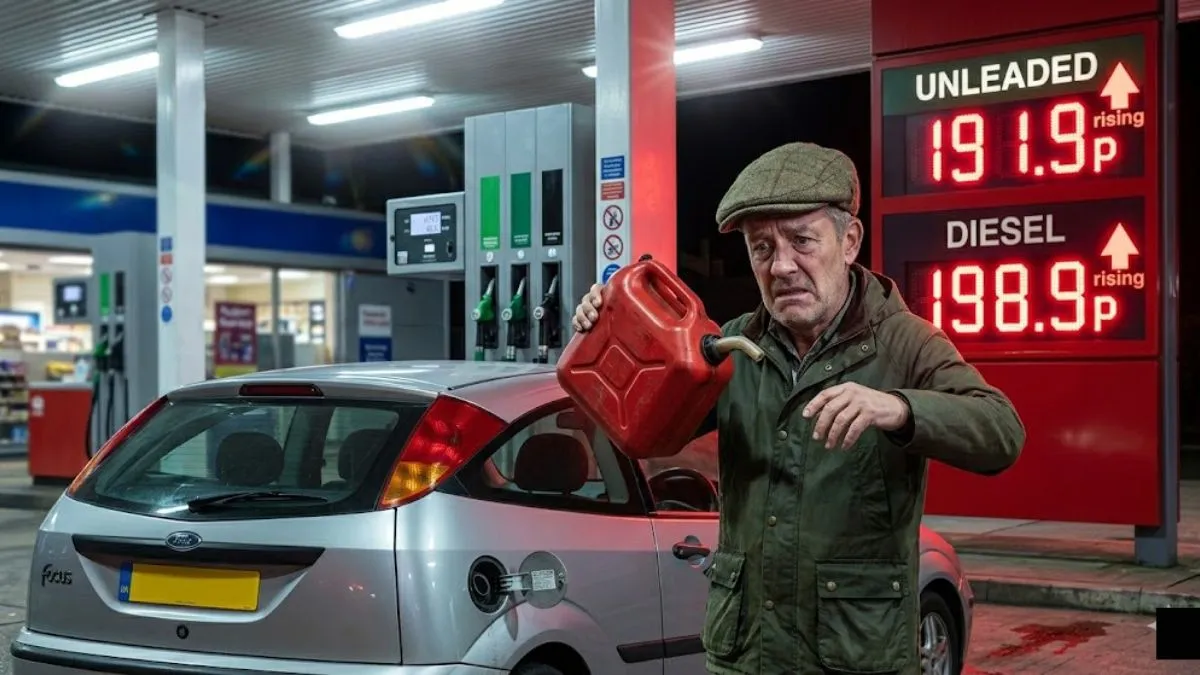
UK drivers are facing a crisis. Petrol prices are climbing faster than anyone expected. Filling up the tank now costs far more than it did last year. Families commuters and small business owners are feeling the impact immediately. Some drivers are cutting trips short postponing journeys and even considering selling cars they cannot afford to operate.
This is not a future problem. It is happening right now. Rising costs are linked to global events involving Iran the United States and escalating tensions in the Middle East. These events have disrupted one of the most important oil routes in the world. Cars that were once affordable to run are now becoming expensive burdens on household budgets.
Why Petrol Prices Are Rising
Almost twenty percent of the world’s oil passes through a narrow waterway called the Strait of Hormuz every day. This tiny route connects oil fields in the Middle East to markets across Europe Asia and beyond. When traffic slows or stops the effect on the global oil market is immediate.
Recent conflicts involving Iran have forced many shipping companies to avoid the strait. Attacks on tankers and warnings to Western-flagged vessels have created fear. Many shipments are delayed or rerouted through longer and more expensive paths. The result is a sharp drop in supply reaching international markets.
This supply disruption is enough to push prices upward even before the oil disappears from tanks. Traders react to the risk of shortage and adjust prices accordingly. Petrol costs in the UK have risen as a result. Drivers now face higher costs for every journey no matter how short.
How Rising Costs Affect UK Drivers
For everyday motorists the impact is obvious. Petrol bills are higher at every pump. Commuters traveling daily see their monthly fuel expenses increase by hundreds of pounds. Delivery drivers taxi operators and business fleets are hit even harder. What once was a manageable cost is becoming a serious burden.
Many families are reconsidering how they use their cars. Trips are being combined reduced or canceled entirely. Some drivers are thinking about selling larger vehicles and switching to smaller more efficient models. Businesses are adjusting routes and reducing non-essential trips to save money.
Even cars that are fuel-efficient are affected. Older models with larger engines consume more petrol making every journey more expensive. Drivers are facing the reality that petrol is no longer cheap enough to ignore.
What Drivers Can Do
There are steps motorists can take to reduce the impact of rising petrol costs. Driving more efficiently saves fuel immediately. Avoiding rapid acceleration harsh braking and excessive idling reduces consumption. Planning journeys to combine errands lowers miles driven.
Maintenance plays a major role in fuel economy. Proper tire pressure engine care and regular servicing ensure cars run efficiently. Removing unnecessary weight from vehicles improves mileage. Even small habits make a measurable difference over weeks and months.
Technology also helps. Apps that show cheapest fuel stations and real-time traffic updates allow drivers to find better routes and fill up at lower prices. Many drivers are switching to hybrid or electric vehicles to reduce exposure to volatile petrol costs. Electric cars eliminate petrol expenses entirely while hybrids cut costs dramatically for daily use.
Why This Matters
The rise in petrol prices is more than a temporary problem. It is forcing a shift in how UK drivers use cars. What was once a routine part of life is now a financial decision. Mobility is affected for families commuters and businesses alike. Drivers who ignore the situation risk being priced out of using their cars entirely.
Even if tensions ease the effects on the oil market may last months. Supply chains disrupted by conflict take time to recover. Prices could remain high even after shipping through the Strait of Hormuz resumes fully. Understanding this reality allows drivers to plan effectively and take action before costs spiral further.
Final Thought
UK drivers are facing unprecedented challenges as petrol prices soar. Cars that were once affordable are becoming expensive to operate. Families commuters and business owners feel the impact every day.
Driving efficiently maintaining vehicles properly and considering more fuel-efficient options helps reduce the financial burden. Small changes in habits combined with smarter vehicle choices protect wallets in a time of uncertainty.
The ongoing global crisis highlights how interconnected world events affect daily life. Drivers who act proactively will navigate the rising costs more effectively while maintaining mobility for work and family life. The situation is serious but manageable for those who plan ahead and use resources wisely.

I have been covering the automotive industry for over 5 years with a strong focus on UK car trends reviews and market updates. I share real insights based on research and experience to help readers stay updated with the latest car news.