
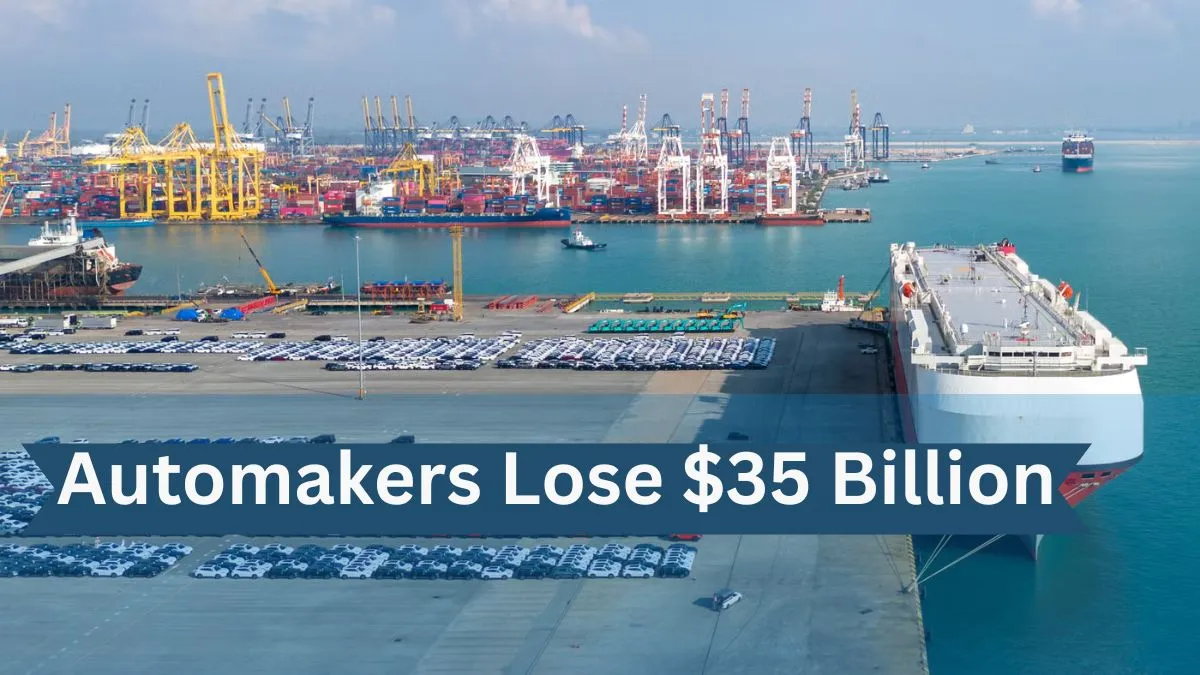
The global auto industry has felt major financial pressure after trade tariffs introduced during the administration of Donald Trump. A new analysis shows that these taxes on imported vehicles plus auto parts have already cost car manufacturers tens of billions of dollars.
Industry data reviewed by Automotive News indicates that automakers have faced about thirty five billion dollars in tariff related expenses since twenty twenty five. The findings reveal how deeply the policies have affected companies that rely on international manufacturing plus supply chains.
Global Auto Production Makes Tariffs Complex
The modern automobile industry works through a global production network. Many companies manufacture vehicles in multiple countries while also importing key parts from international suppliers. Because of this interconnected system tariffs placed on vehicles or materials can quickly increase production costs.
Manufacturers often ship engines electronics plus other parts across oceans before final assembly. When taxes are added at each stage companies must absorb extra expenses which eventually affect pricing strategies plus future investment plans.
Toyota Faces the Largest Financial Impact
Among all manufacturers Toyota appears to be the most affected by the tariffs. Financial projections show the company may face around nine billion dollars in additional costs during the fiscal year that ends in March.
This large impact comes partly from Toyota strong global manufacturing network which includes facilities across Asia Europe plus North America. Because the company imports many components into the United States tariffs have increased overall operating costs.
Detroit Automakers Also Report Heavy Losses
Major American automakers have also experienced significant financial pressure. Companies such as General Motors Ford Motor Company plus Stellantis collectively faced more than six billion dollars in tariff related costs during twenty twenty five alone.
Although these manufacturers operate production plants in the United States they still rely heavily on international parts suppliers. When tariffs increase the price of imported components the overall cost of building vehicles rises.
Many Global Brands Facing Billion Dollar Costs
Several international automakers are also dealing with substantial financial impact from these trade measures. Companies including BMW Honda Hyundai Motor Company Mazda Mercedes-Benz Nissan Subaru plus Volkswagen have reported or predicted tariff expenses exceeding one billion dollars each.
These companies maintain production networks that stretch across multiple continents. As tariffs increase the price of imported materials the companies must carefully balance manufacturing locations plus pricing strategies.
Current Tariffs Affect Vehicles Parts And Materials
Several different tariffs currently influence the automotive market. Vehicles imported from regions such as Europe Japan plus South Korea face import taxes of around fifteen percent.
Cars built in Canada or Mexico under North American trade rules may still face tariffs of about twenty five percent on the value of parts that are not made in the United States. In addition steel plus aluminum used for vehicle production also carry additional tariffs which increase manufacturing costs further.
Electric vehicles produced in China are also affected by extremely high import duties that remain in place under policies continued by later administrations.
Tariffs Intended to Boost US Manufacturing
The main goal of the trade policies introduced by Donald Trump was to encourage companies to expand vehicle production inside the United States. Higher taxes on imported vehicles were expected to motivate automakers to build more factories domestically.
While some companies have discussed increasing American manufacturing the process is far from simple. Building new production plants requires major investment planning plus years of construction before vehicles can roll off assembly lines.
Uncertainty Making Long Term Planning Difficult
One of the biggest challenges for automakers is uncertainty surrounding future trade policies. Tariff rates have changed multiple times due to ongoing trade negotiations between the United States plus other countries.
Because the exact rules may shift again companies hesitate to commit billions of dollars to new factories or supply chain changes. Automakers need long term stability before making major manufacturing decisions.
Some Automakers Considering US Production Expansion
Despite the uncertainty some manufacturers are exploring the possibility of increasing their presence in the American market. For example Audi has discussed building additional production facilities in the United States.
Other brands have also hinted at plans to move the production of certain models closer to American consumers. These decisions could reduce exposure to import tariffs while improving supply chain efficiency.
Automakers Want Stability More Than Anything
For many companies the biggest priority now is clarity about future trade policies. Automakers understand that tariffs may remain part of global trade strategy yet they need consistent rules in order to plan investments.
Stable policies would allow manufacturers to determine whether shifting production to the United States makes financial sense. Until that clarity arrives the global auto industry will continue navigating a complex landscape shaped by tariffs supply chains plus changing economic strategies.

I have been covering the automotive industry for over 5 years with a strong focus on UK car trends reviews and market updates. I share real insights based on research and experience to help readers stay updated with the latest car news.